Posted on July 2, 2026 View all news
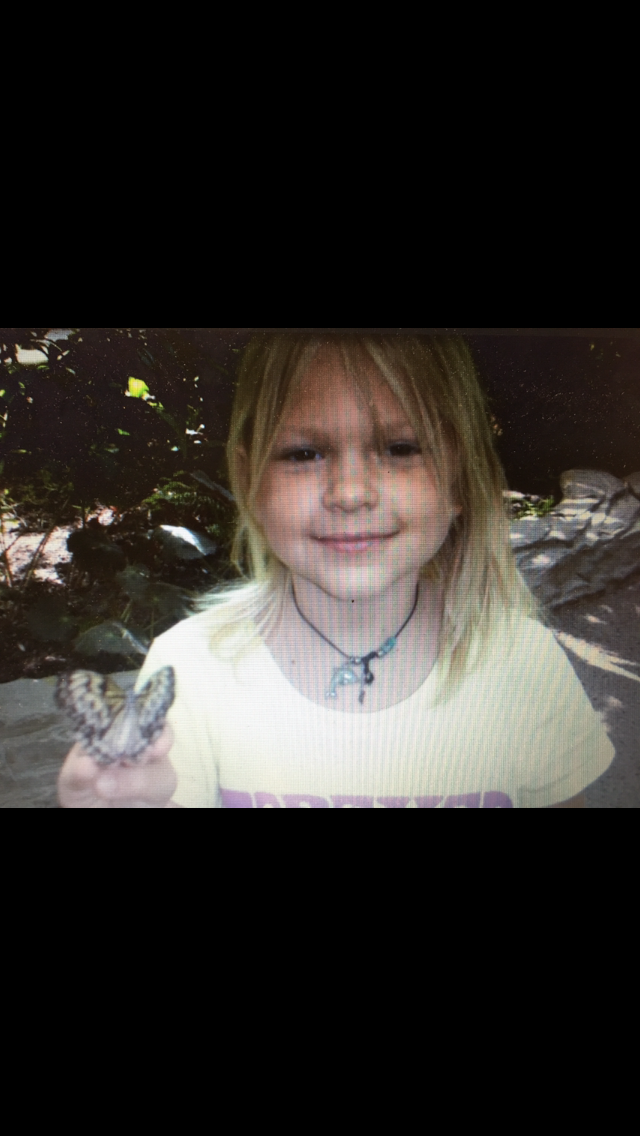
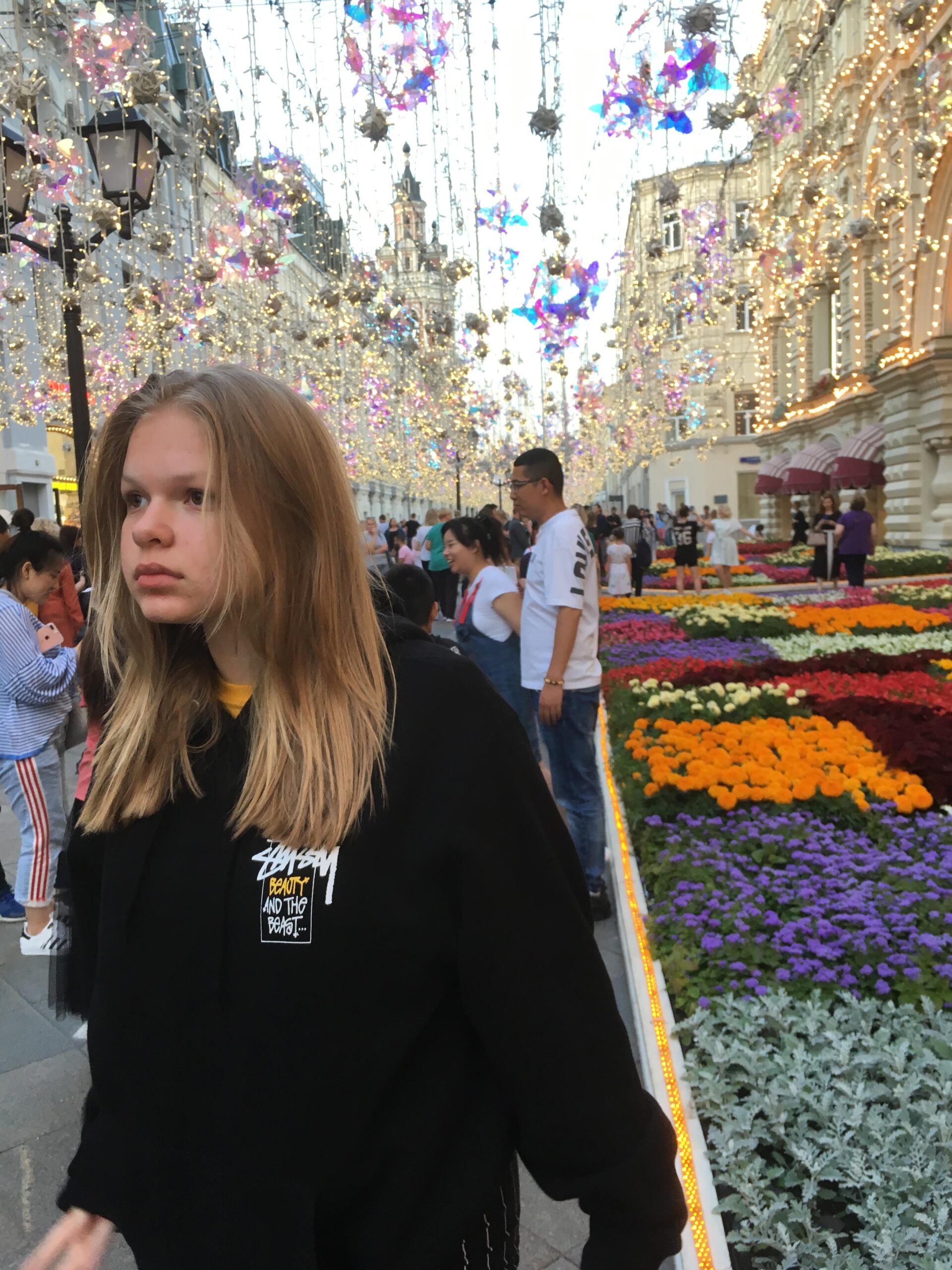
I called her my sunshine, because that is who she was from the very beginning. Wherever she went, she brought calm, warmth, and quiet happiness. She had a gentle, compassionate heart—always sharing with her sister, always looking out for others. She loved mathematics, enjoyed playing tennis, and was almost never without a book in her hands. She was deeply selfless—her world was about caring for others, never about herself. She was bright, focused, and full of promise.
Everything began to change in middle school, when she started using marijuana to fit in. At the time, she was bored in school—she learned everything quickly and then sat there unstimulated. I noticed she was changing, but I believed it was just normal teenage behavior. She became more withdrawn, spent hours on her phone, and slept long hours after school. Sometimes she would ask why everyone on social media seemed so happy and why our life felt so “boring.” I didn’t realize that something much deeper was beginning.
Gradually, I began losing my daughter. She grew distant and started to see me as a bad mother. In 9th grade, things escalated—she began hurting herself and was hospitalized for the first time. Around that time, she was placed on strong psychiatric medications. What I did not know—and what still deeply hurts—is that both her therapist and her doctor were aware that she was using marijuana, yet no one told me.
As her marijuana use continued, her behavior became more risky. She began leaving home at night, putting herself in dangerous situations that later resulted in trauma and PTSD. She always believed in the goodness of people and trusted easily—but increasingly, that trust was placed in the wrong places.
Her mental health declined further when she went to university and resumed marijuana use. She became severely suicidal and was hospitalized again. It was during this period that she was diagnosed with schizophrenia.
When she stopped using marijuana, everything changed again—for the better. For nearly two years, she stayed sober, continued her studies in university, and began to stabilize. During that time, we saw hope. We saw glimpses of the girl she once was.
But in the summer of 2025, she stopped taking her medications. Within two months, she returned to marijuana. From that point on, her condition rapidly deteriorated. Since then, she has been hospitalized four times, twice involuntarily due to being a danger to herself.
In April 2026, she made the decision to seek help and entered a mental hospital, followed by rehab. I believed this could be a turning point. However, she was not given the proper medication, and within a week she experienced a severe psychotic episode. Even after being free from marijuana for nearly a month, the damage had already been done—she refused medication and her symptoms worsened significantly.
Today, she remains very ill. Part of her condition includes the delusion that I am against her, which is common in paranoid schizophrenia, along with refusing treatment. For the past month, she has been isolated in her apartment. She does not leave, speak to anyone, or open the door. I bring food and leave it outside, not knowing if she eats it. Over the past year, she has suffered from severe visual and auditory hallucinations. As a mother, watching this has been devastating.
We have no history of mental illness in our family. In my heart, and based on everything I have witnessed step by step, I strongly believe marijuana was the trigger that set all of this into motion. Each time she used it, her condition worsened. Each time she stopped, she improved. The pattern has been impossible for me to ignore.
I want the world to understand that marijuana is not harmless—especially for young, developing minds. Today’s marijuana is stronger, more potent, and widely promoted as safe, natural, and even beneficial for anxiety. That belief is what my daughter trusted. That belief changed the course of her life.
I also believe this has become an epidemic—quietly affecting young people and families in ways that are often dismissed or misunderstood. My hope is that we begin to take this more seriously—not only in how marijuana is presented, but also in how we treat mental illness. Short hospital stays are not enough. Patients need time—time for proper diagnosis, proper medication, and true stabilization before they are sent back into the world.
My daughter’s only mistake was believing what she was told—that marijuana was safe. She was too young to see the risks.
She is still my daughter. I still hold on to hope. But I share this story so that others may see what I did not see in time—and so that maybe, just maybe, another family does not have to live this pain.
Lyubov Priser